Business process improvement
Run leaner.
Make room for profit.
Uncover where time, money and effort are being lost, then map a better way for your business to operate.
Bobbly looks at how your operations, people and resources work together, and where improvements could make the greatest difference.
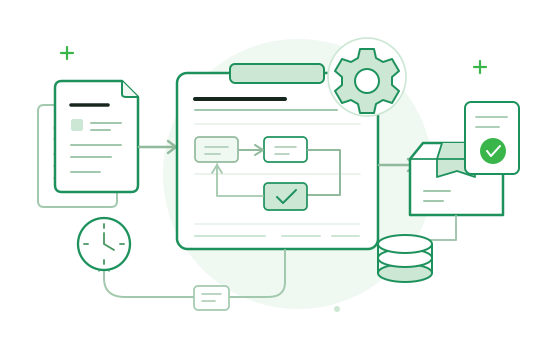
Follow the work. Find what holds the business back.
Busy doesn’t always mean productive
Your resources are working.
Where is the effort going?
Every task draws on time, people and money. When work waits, gets repeated or needs correcting, those resources are consumed without moving the business far enough forward.
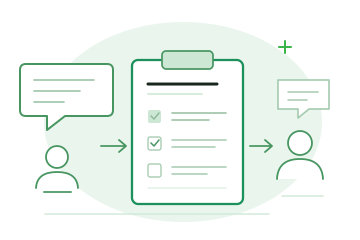
What you put in

People
Skills and attention

Time
Hours in the day

Resources
Money, equipment and materials
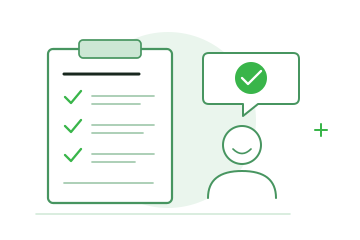
How the work happens
Selling
Delivering
Supporting customers
Where the effort goes
Useful output
Work delivered.
Customers served.
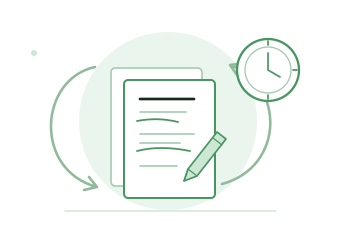
Avoidable effort
Waiting. Rework.
Unnecessary steps.
As demand grows, that hidden workload grows with it. Your team can reach its limit while the business still struggles to deliver more or retain enough profit.
We trace the causes of that pressure, so improvement targets the work consuming capacity, rather than asking people to keep absorbing it.
A conceptual view of how resources move through a business.
Why the flow matters
Free up capacity.
Improve what it produces.
The value of a better process reaches beyond the task itself. It affects what the business can deliver with the resources it commits.
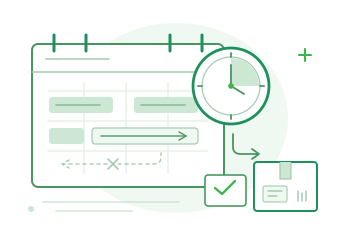
More capacity to deliver.
Removing repeated work and bottlenecks gives people time back for productive work, reducing the pressure to add resources just to keep up.
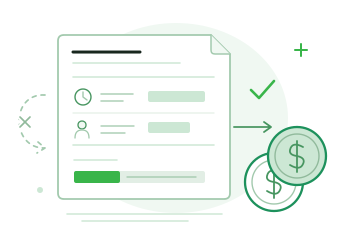
Less cost absorbed along the way.
Fewer corrections, delays and unnecessary touches can reduce the effort a job consumes and improve the return from the work you already win.
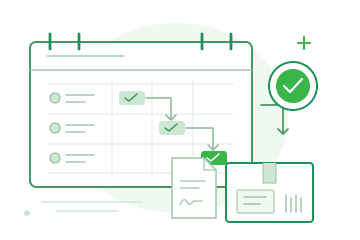
A more dependable business.
Better coordination helps work move consistently, giving your team a clearer way to deliver and your customers fewer reasons to chase or lose confidence.
Business Flow Improvement Analysis
Understand the business.
Make the next move count.
We examine how the work actually happens, where resources are being lost and which improvements could offer the most value. The result is a practical improvement plan grounded in your business.
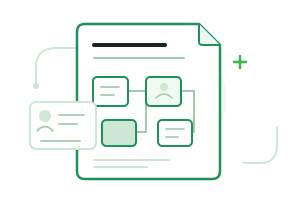
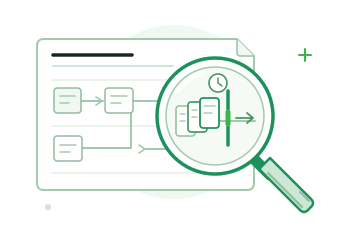
01 · Current flow assessment
A map of how things work.
Follow work across operations and teams. Identify who does what, what each step needs and where tools and resources support the process.
02 · Inefficiency detection
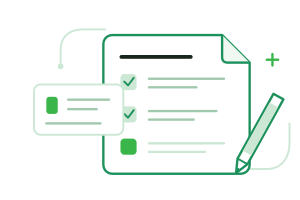
A clearer view of the losses.
Look for delays, repeated effort, missed opportunities and resource pressure. Trace what causes them and examine their effect on cost, capacity and output.
03 · Strategy map
A plan you can act on.
Set out the recommendations, their intended business benefit and a sensible order for implementation, so you can weigh up the options and decide how to proceed.
From analysis to improvement
The finding determines
what recommendations are made.
The recommendations may cover a simpler approval path, a more effective sequence of production steps, clearer responsibilities or practical guidance for a team.
We explain the benefit, the work involved and the implications for your people. Where a tool or automation would help, it forms part of that recommendation.
Understand the recommendation.
See why it is being recommended, what it could achieve and who would be affected, so you can make an informed decision.
Introduce it in a manageable way.
Agree priorities and timing with the people involved. Trial the approach where practical, provide guidance and work through concerns before wider use.
Review the results together.
Check the outcome against the intended benefit, refine what needs attention and make sure responsibilities and ongoing support are clear.
Before we talk
A few useful answers.
Tell us what you’re seeing: rising costs, work backing up, inconsistent delivery or a team at its limit. We’ll discuss what needs investigating and agree the scope of the assessment.
Yes. We can examine a particular operation or recurring problem, while looking at the connected work that may cause it or be affected by a recommendation.
The recommendation follows the cause of the problem. Recommendations may concern a process, responsibility or working practice. Tools are considered where they support a useful business improvement.
We consider the intended business benefit alongside the effort, cost and dependencies involved, so the plan gives you a reasoned basis for deciding where to start.
Yes. We can discuss implementation alongside the analysis and agree a practical pace, clear responsibilities and the support your team would need.
Let’s talk business
Where could your business
be performing better?
Tell us where costs are creeping up, capacity is stretched or the work is harder than it should be.
We’ll give you a call to talk it through.